Thick, coarse hair is a blessing for hiding attachments but a challenge for blending: a light set disappears into it, and the wrong texture looks obviously different. The fix is weight, method and texture matching.
Go heavier
Standard sets are often too light for thick hair. Look for higher gram weights and more wefts - our lengths & weights chart shows how to read the specs. You may also need more than one set.
Best methods
- Sewn weft: excellent for thick hair - a human hair weave can be sewn in dense rows for major length and volume.
- Clip-ins: work well because thick hair covers the clips easily; use the placement guide.
- Micro-ring and tape-in: fine if the hair can hold the attachment; see our comparison.
Match the texture
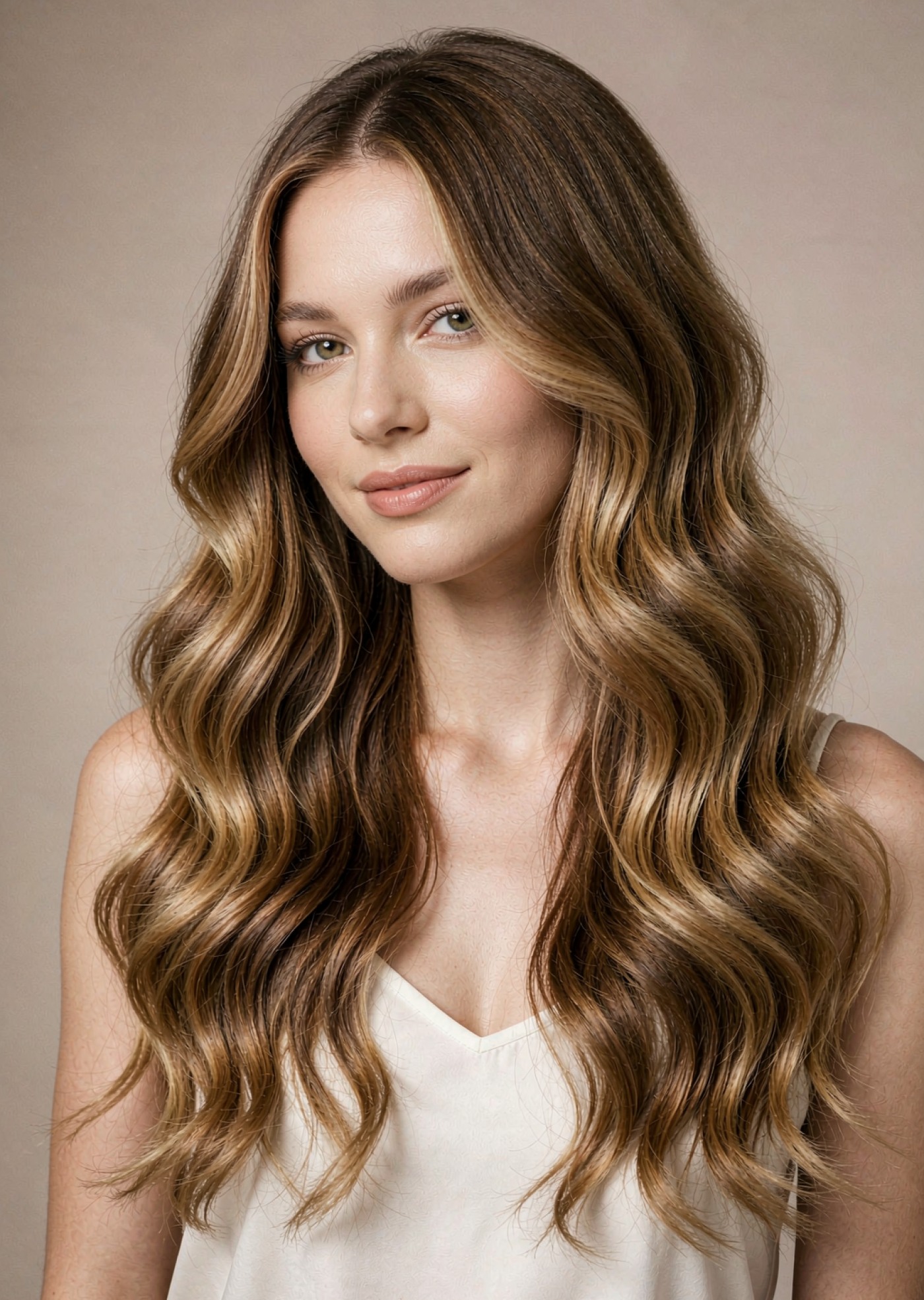
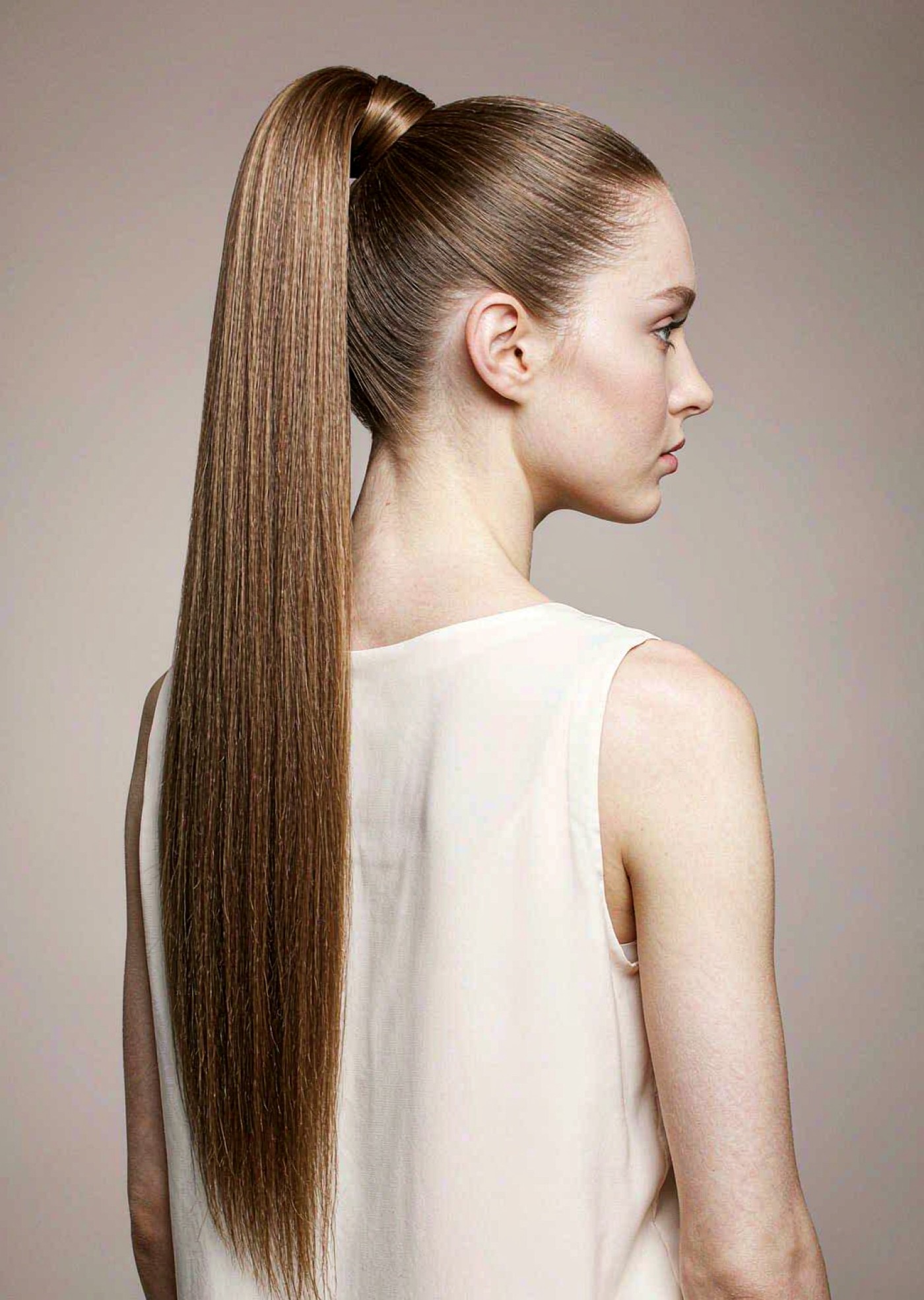
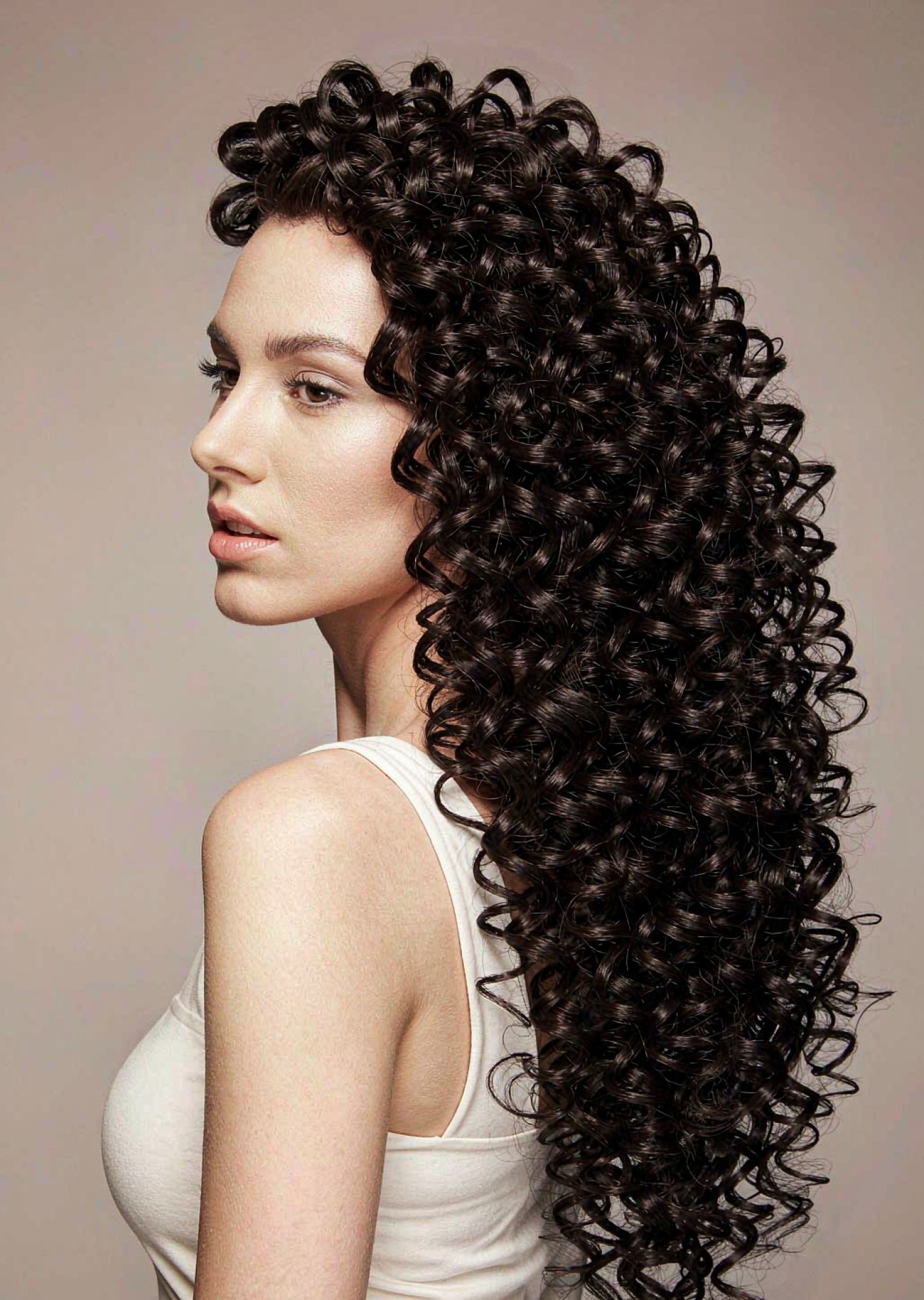
Coarse hair needs a texture with similar body, or the extension looks flat beside it. Our texture guide covers straight, wavy and curly, and the textured hair guide goes deeper for coarser curl patterns. Blend tips are in making extensions look natural.
Quality and colour
Thick hair often means the client wants a long-lasting result, so invest in double-drawn hair that stays full to the ends and virgin/Remy grades that hold colour. Match the shade with our shade chart.
Comfort check
More hair means more weight. Even thick hair has limits - our damage guide explains how to avoid traction, and the consultation checklist helps salons assess capacity before recommending a method.
Source dense, double-drawn ranges from the wholesale catalogue and request samples to test weight and blend on thick hair.