Hair origin is one of the first questions importers ask, and the answer affects texture, dye response, price and which clients will love it. Here is a practical comparison for buyers.
Brazilian hair
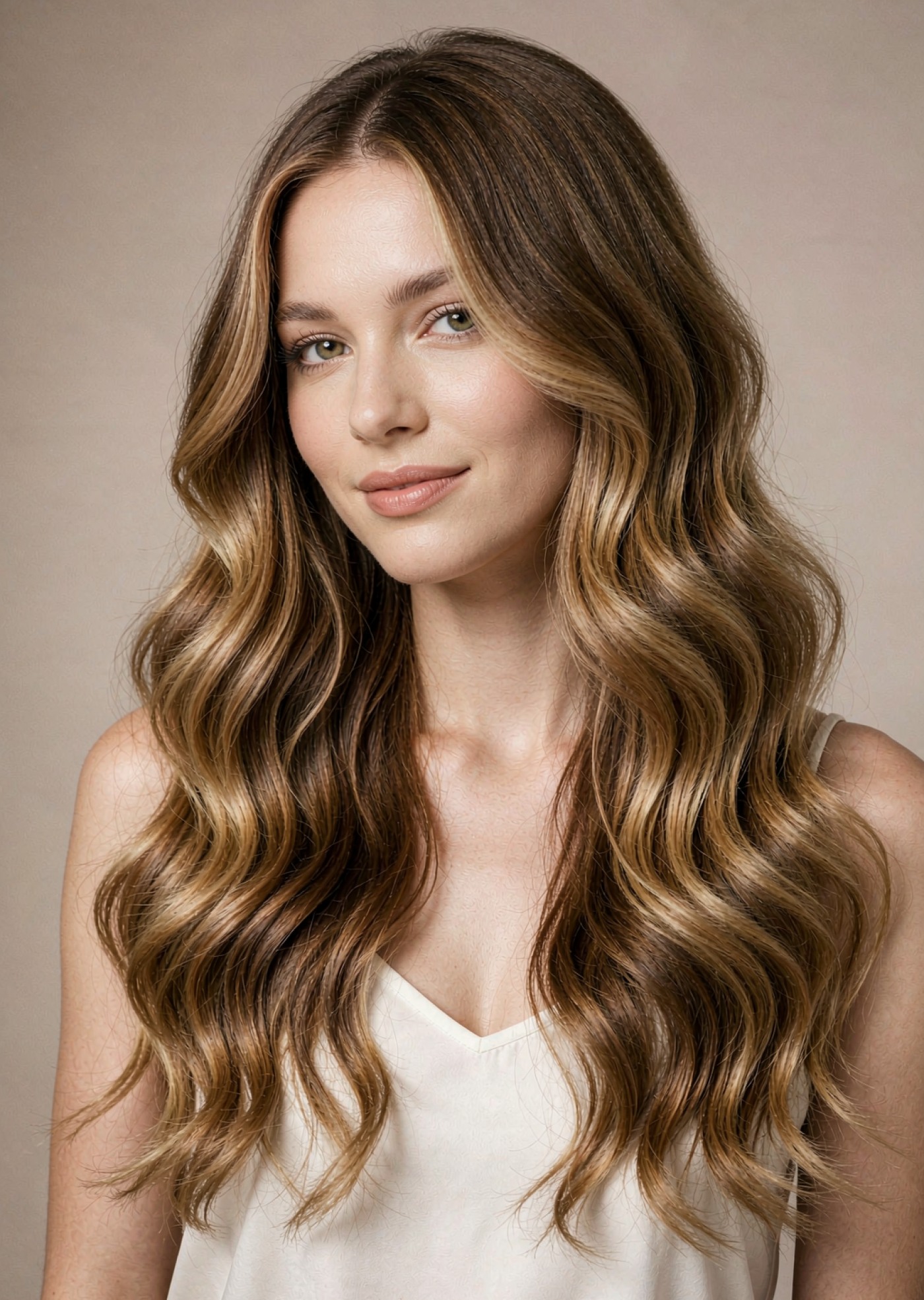
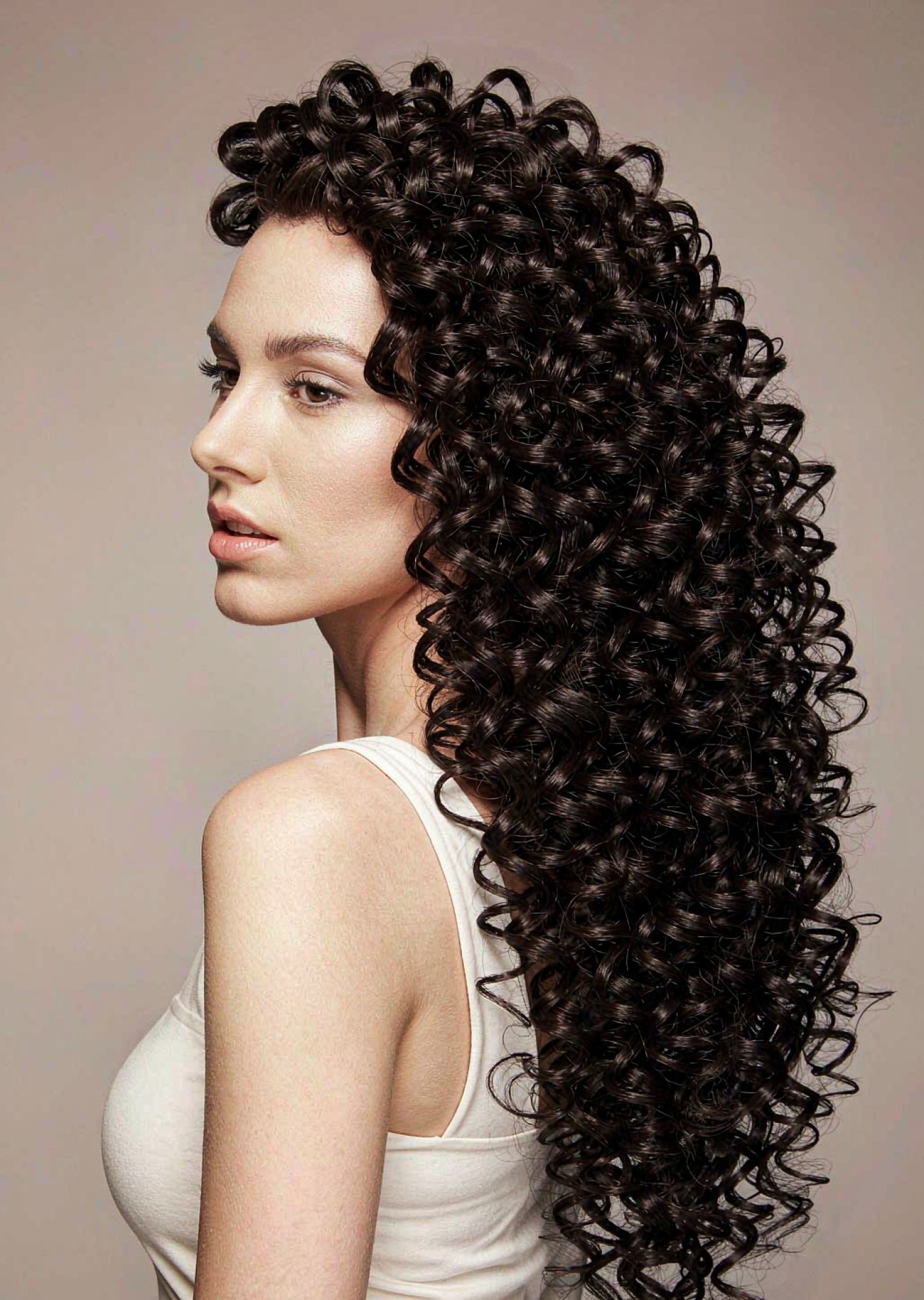
Naturally full, soft and slightly wavy, Brazilian hair holds curls well and blends with medium to coarse textures. It is a strong all-rounder for wavy and curly ranges. Our Brazilian body wave weave is a typical example, and the texture guide shows where it fits.
Indian hair
Indian hair is typically finer, naturally straight to slightly wavy, and light in colour - it takes dye beautifully, which makes it popular for blonde and balayage ranges. See our blonde & balayage guide and the dyeing guide.
European hair
European hair is fine, soft and usually light brown to blonde, making it the easiest match for European clients without heavy colouring. It commands a premium price and suits clients who want a natural, low-maintenance match - see our European client looks.
Grade still matters more than origin
Origin is only part of the story. Cuticle alignment, processing and grade decide how the hair actually performs. Read virgin vs Remy, cuticle alignment and how to identify real virgin hair before you choose a supplier.
Which to stock
- Curly/wavy, coarse clients: Brazilian.
- Colour-changing, blonde ranges: Indian (or light virgin grades).
- Natural blonde/light-brown European clients: European hair.
Sourcing checks
Ask the right questions - our supplier checklist and quality testing guide cover verification, and the sourcing guide explains the import side.
Compare origins first-hand from the wholesale catalogue and request samples before you commit to a range.