Color mismatch is the single most common reason a wholesale hair order comes back. It is also the easiest to prevent. This guide gives salon buyers and distributors a repeatable way to specify shade, check samples and order multi-tonal colors such as root shadow and balayage from a factory.
Start with a color ring, not a screen
Extension shade numbers are a factory convention, not a universal standard. A #27 from one supplier can be warmer than a #27 from another, and screen color drifts with every display and lighting setup. Before a first order, request a physical color ring or a set of swatches from the exact production line you intend to buy. Keep it as your reference for every reorder and ask the supplier to hold the same dye lot for repeat orders.
The three-point match
Match hair in diffused daylight, on dry hair, at three points:
- Root / mid-lengths. Most clients need the extension to blend at the mid-shaft, not at the scalp.
- Ends. Ends are usually lighter and cooler from previous lightening; match the last third of the client's hair, not the root.
- Undertone. Decide warm (golden, honey) versus cool (ash, beige) before choosing a level.
If two shades are close, go slightly darker: a darker extension disappears into natural hair far better than a lighter one that sits on top of it.
Common shade families and how they sell
| Family | Typical use | Ordering note |
|---|---|---|
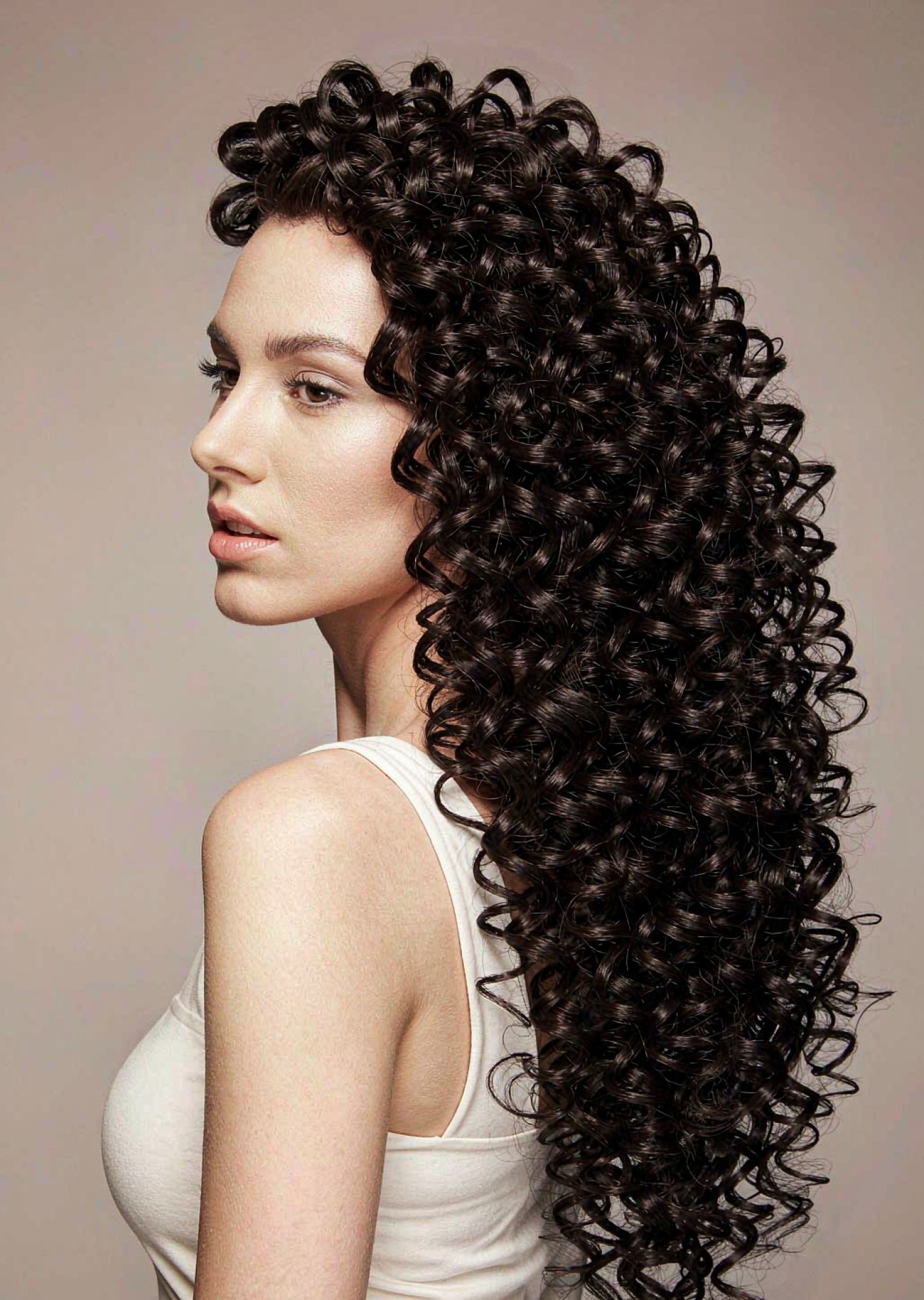
| Natural black / dark brown (#1, #1B, #2, #4) | Highest-volume salon and retail SKU | Keep the deepest stock; lowest return risk |
| Honey / caramel blonde (#27, #12) | Warm retail blonde, easy match | Ask for a swatch of the exact tone |
| Platinum / light blonde (#60, #613) | Nordic and Eastern European clients | Requires well-aligned cuticles to stay glossy |
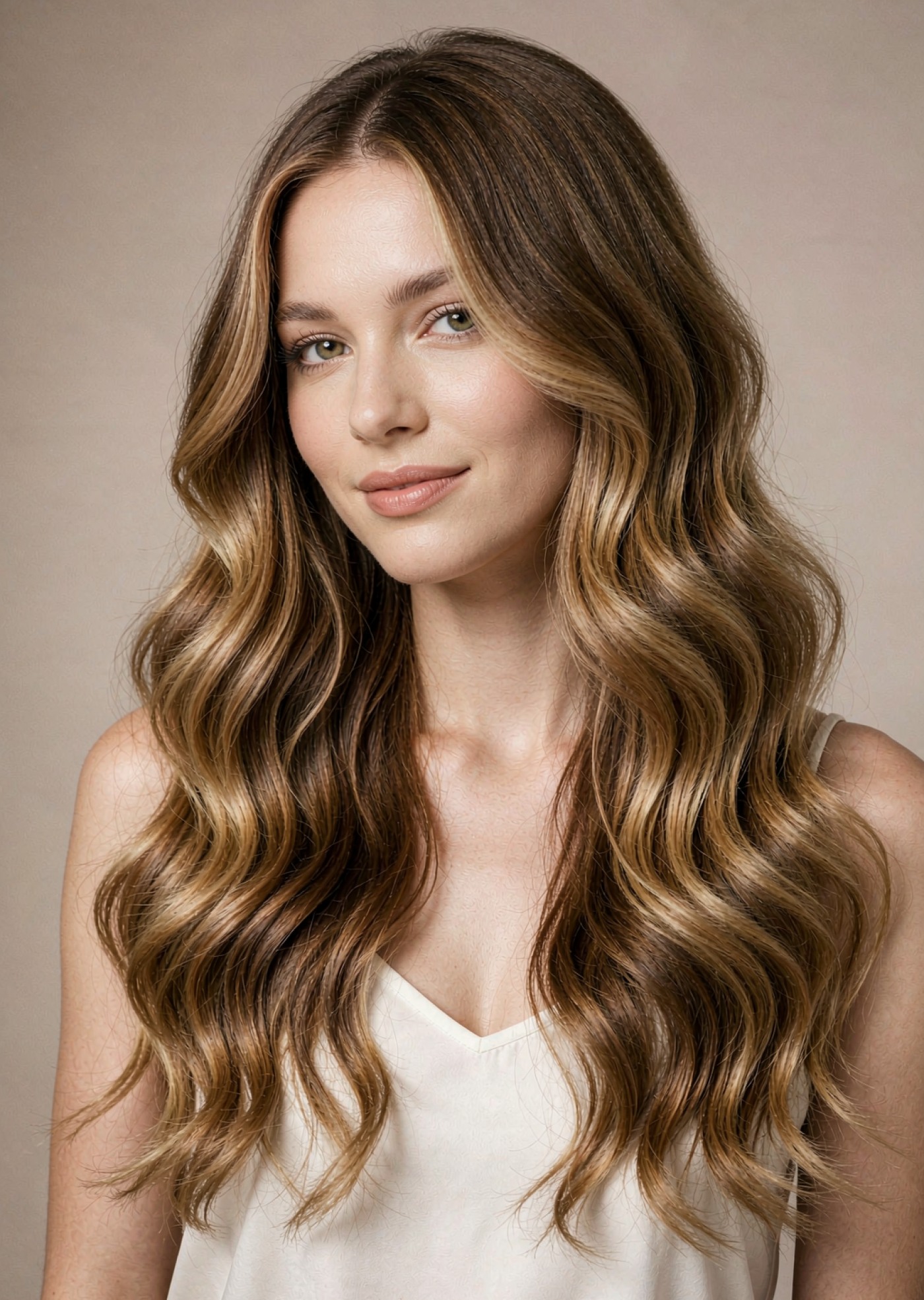
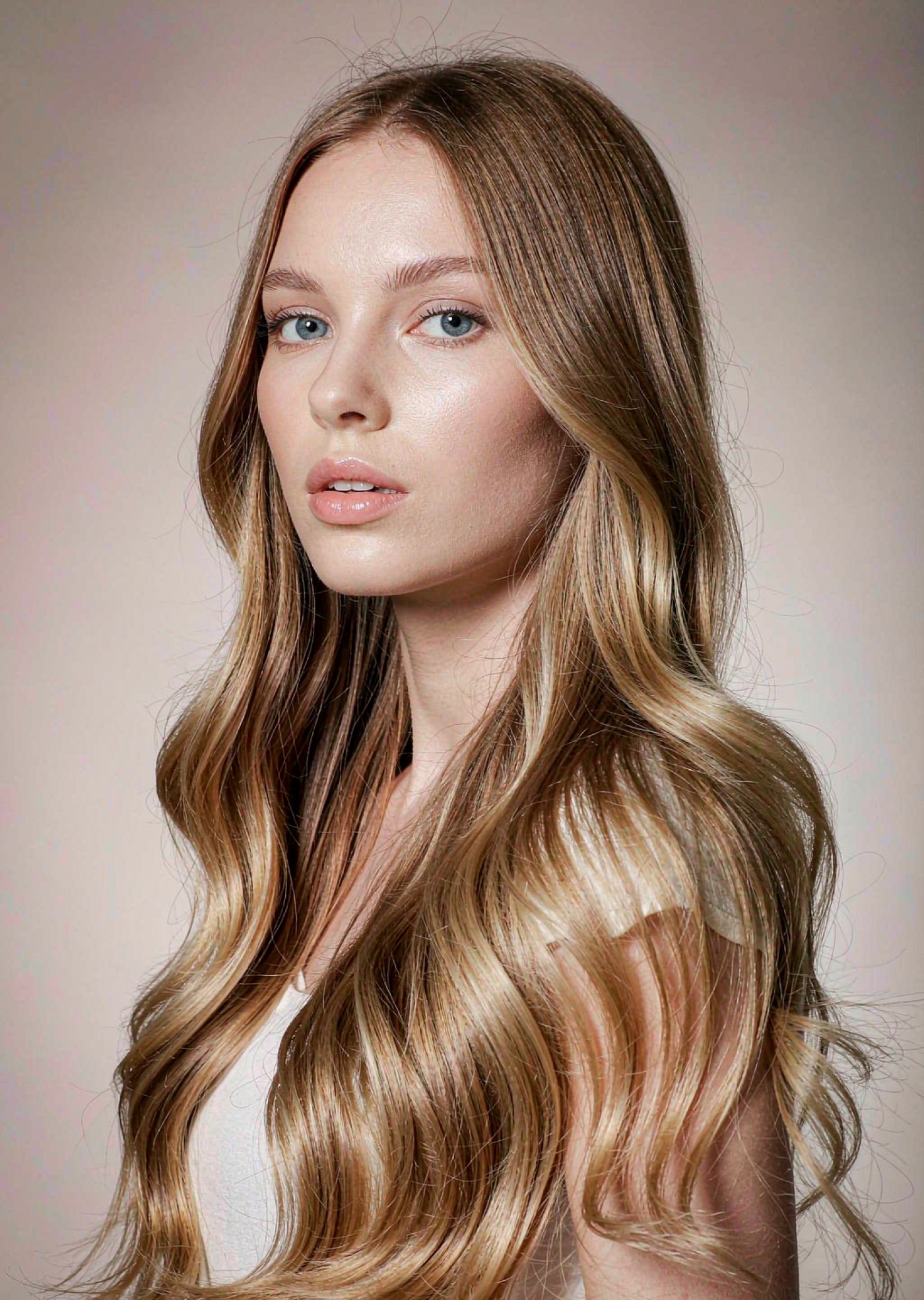
| Root shadow / balayage | Premium "lived-in" salon looks | Specify root length and transition point |
For a deeper look at which blonde families European salons reorder most, see Blonde and Balayage Bestsellers.
How to specify root shadow and balayage
Multi-tonal colors need a short written spec, not a photo alone. Include:
- Root depth and length — for example "level 4 root, 5 cm, feathered transition".
- Mid-length and end tone — plus whether the ends are warmer or cooler.
- Placement — ribbon highlights, face-framing pieces, or an all-over blend.
- Quantity per shade — list grams or packs by shade and length separately.
Always approve a physical sample before bulk production. Color is the one attribute where a photo approval is not enough. Our private label guide explains how shade codes can be printed on hang tags so your salon team reorders the exact SKU.
Keep color consistent across reorders
Ask the factory to record the approved swatch against your order, and request the same dye lot where possible. On arrival, compare a few packs against the retained swatch under daylight before accepting the carton. If you are building a range, our hair grades explainer covers the quality attributes that interact with color processing, and the EU sourcing guide covers the labeling side.
Frequently asked questions
Can I match color from a client photo?
Use photos for direction only. Approve the final shade against a physical swatch under daylight.
What if my client is between two shades?
Choose the darker shade, or blend two adjacent shades across the weft for a natural transition.
Do balayage sets cost more to produce?
Yes, hand-placed multi-tonal work takes more processing time. Ask for a separate line on the quote rather than a blended average.
How many shades should a new salon stock?
Start with four to six core shades plus one color ring; expand only after you see two months of reorders.
Need a color ring or a custom balayage sample? Send us your shade list and we will quote swatches with your bulk order.