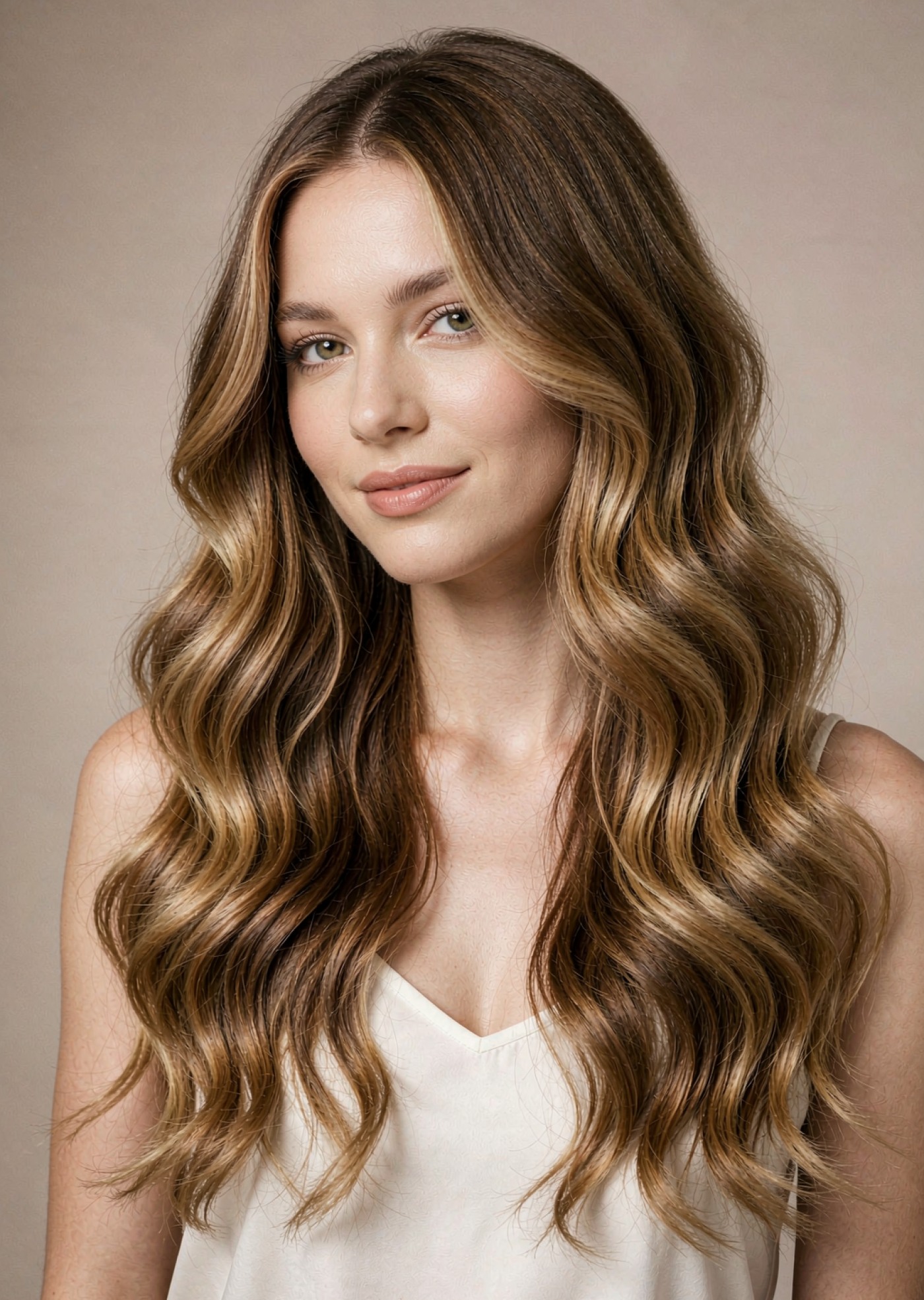
Colour-treated hair - especially bleached or highlighted hair - is more porous and fragile than virgin hair. Extensions can still work beautifully, but the method and aftercare need adjusting.
Which methods are gentlest
- Clip-in and halo: no adhesive or tension, ideal for fragile lengths; see the halo guide.
- Tape-in: gentle if fitted correctly, but removal must be careful - removal guide.
- Avoid heavy sewn wefts on weakened hair - weight causes breakage; see damage guide.
Matching a dyed shade
Colour-treated hair is rarely one flat tone. Match the dominant shade and use dimension to blend - our shade chart guide and balayage guide show how. Check in daylight, because salon lighting misleads.
Can you dye the extensions too?
Human hair can be toned gently but bleaching extensions is risky - see our dyeing guide. Better to buy the right shade in the first place. Higher grades take colour more predictably - grades explained.
Protecting fragile hair
- Detangle with the gentle technique.
- Use sulphate-free products and a light aftercare kit.
- Limit heat - see heat styling.
- Protect colour from UV with our sun protection guide.
Consultation matters
Salons should assess hair condition before recommending a method - the consultation checklist covers this. Fine or damaged hair needs lighter panels - fine hair guide.
Source a wide shade range from the catalogue and request a colour ring to match colour-treated clients precisely.