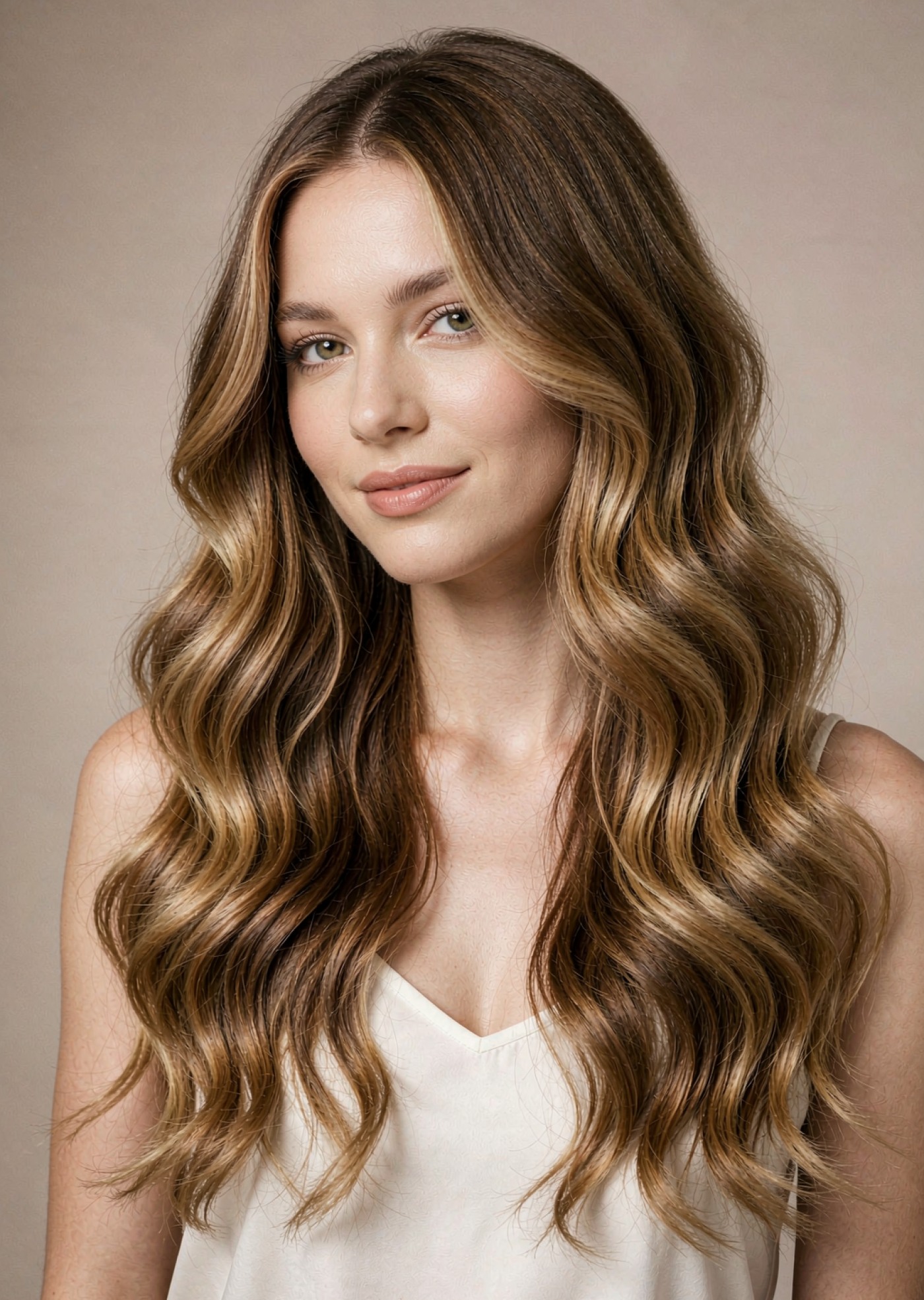
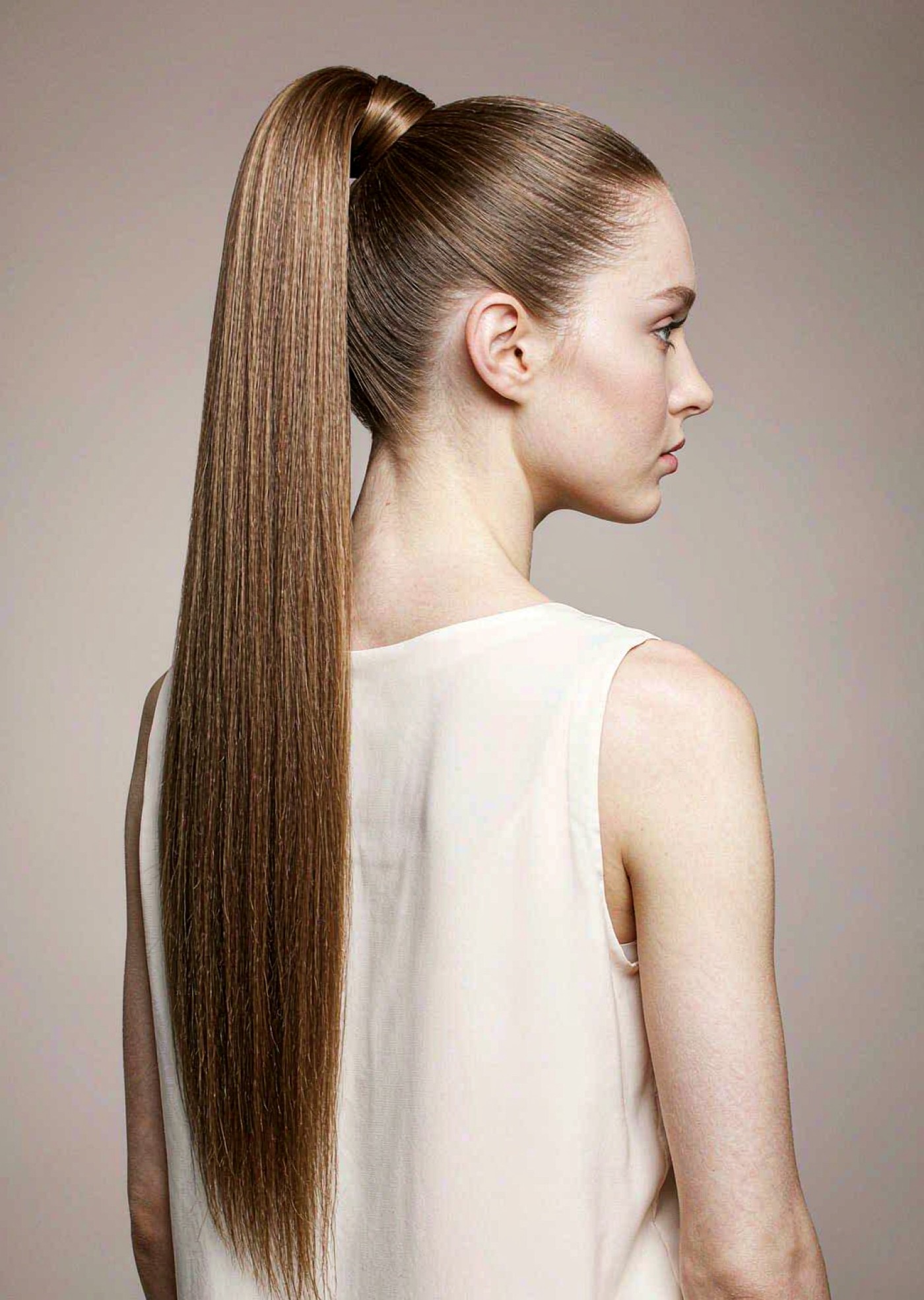
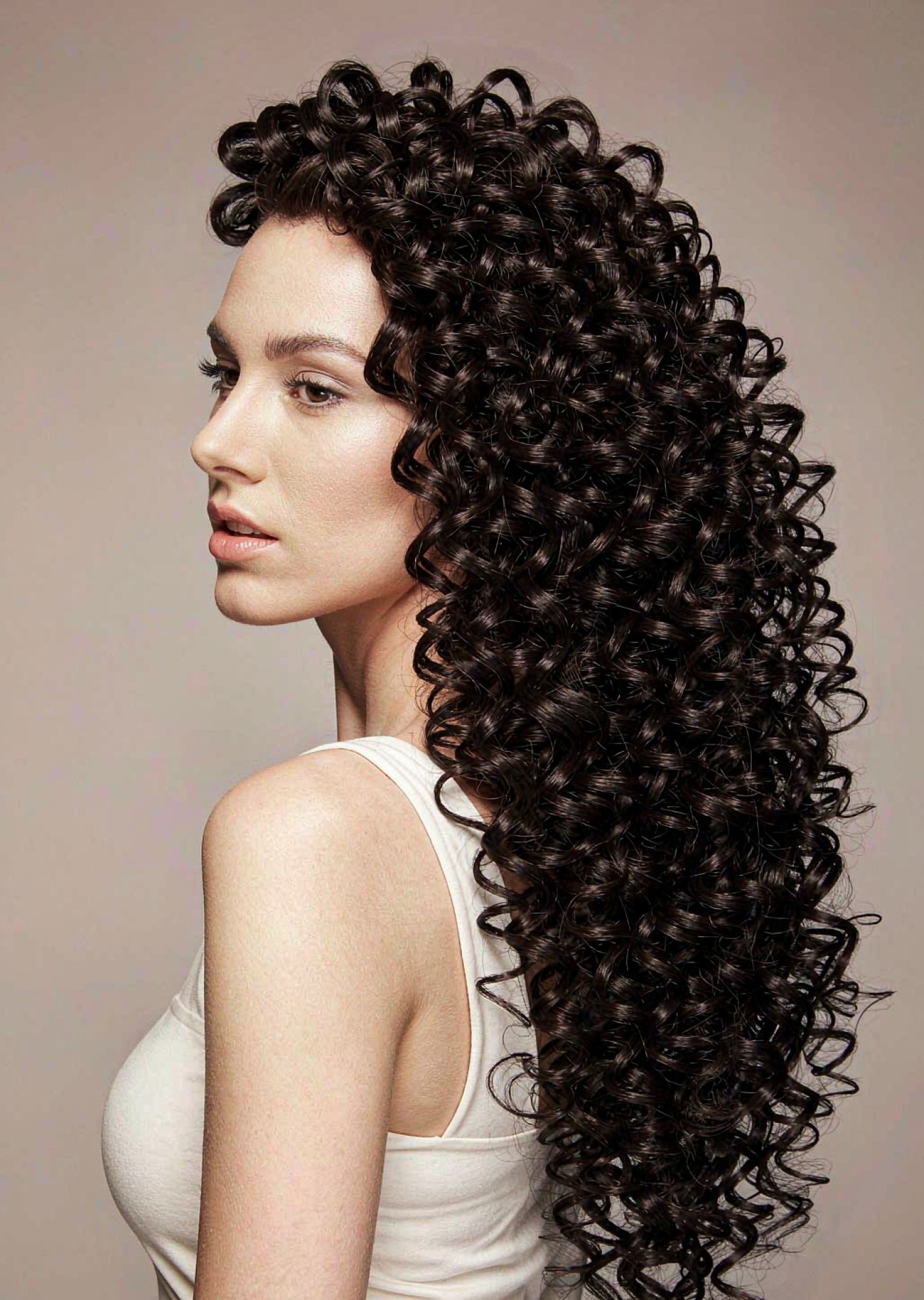
"Can I dye them?" is one of the first questions a client asks before buying. The short answer is yes for human hair and no for synthetic - but the details decide whether you get a beautiful result or a brittle mess.
Human hair vs synthetic: the hard rule
Hair extensions labeled 100% human hair can be dyed because the cuticle absorbs pigment like bio hair. Synthetic fibres are plastic and will not take dye - the colour simply sits on the surface or melts. If you are unsure what you are holding, read our synthetic vs human hair guide first.
Grade matters more than you think
The cleaner the hair, the more predictable the colour. Virgin and Remy hair with an intact, aligned cuticle takes colour evenly and holds it. Heavily processed cheap hair often has its cuticle stripped, so it grabs dye unevenly and fades fast. This is why we recommend cuticle-aligned hair for any client who plans to change colour.
Lighter is easier than darker
Lifting (lightening) hair requires bleach, which damages the cuticle. Going darker is far gentler - depositing pigment is much safer than stripping it. For blonde and balayage looks, our blonde & balayage guide explains how to buy the right starting shade instead of bleaching extensions at home.
How to dye extensions safely
- Stranded test first: dye one small weft to check the result and timing.
- Use a gentle, ammonia-light formula and keep processing time short.
- Dye the extensions off the head, laid flat, for even coverage.
- Rinse cool, condition deeply, and air-dry - never blast with heat.
- Match the result to your shade chart before installation.
Repeated colour shortens lifespan
Every chemical service costs a little life. If your client colour-changes often, factor that into our lifespan guide and plan for replacement. Stock colour-friendly 100% virgin weave from the wholesale catalogue, and ask our team for dye-test samples before you commit to a shade line.