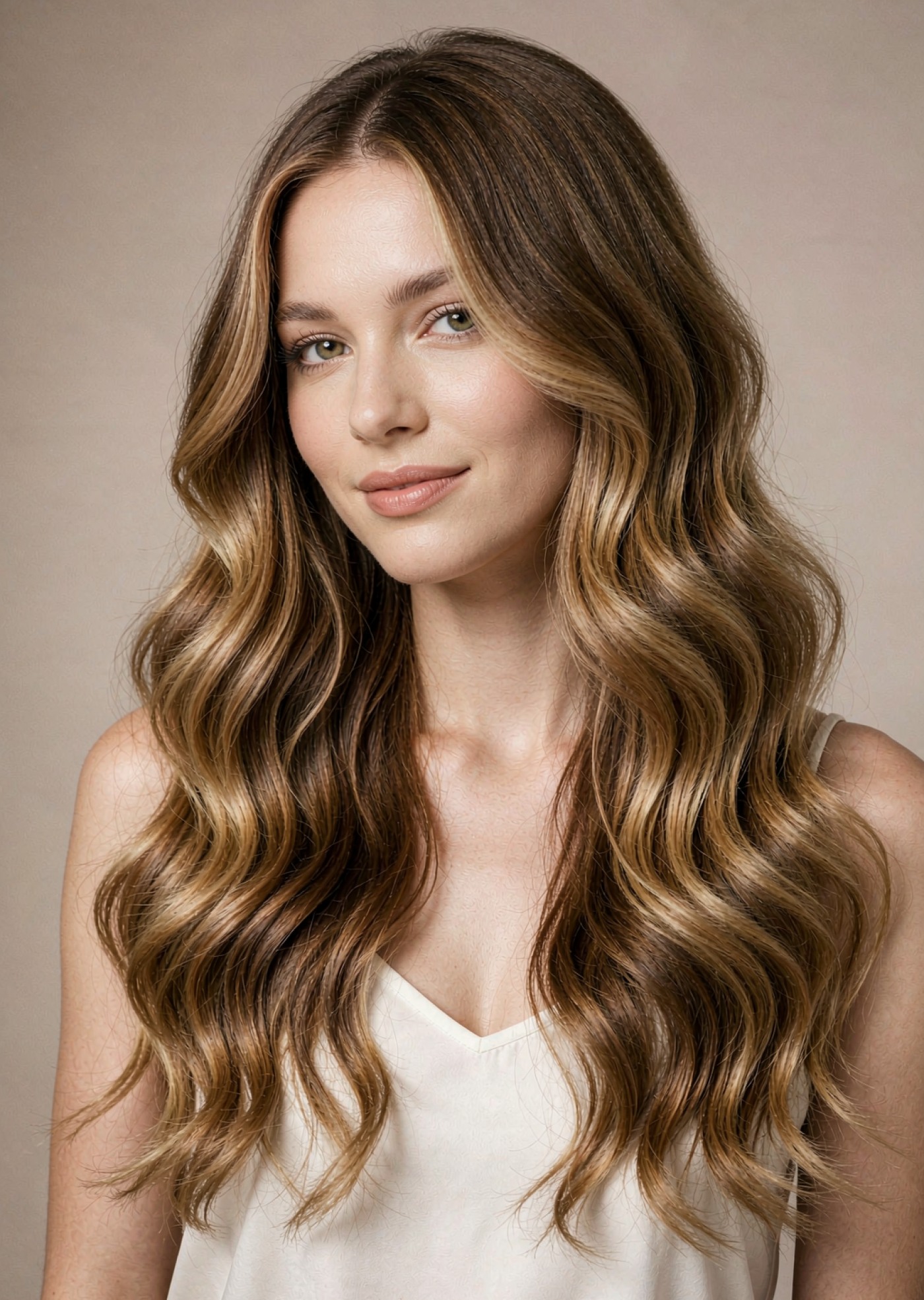
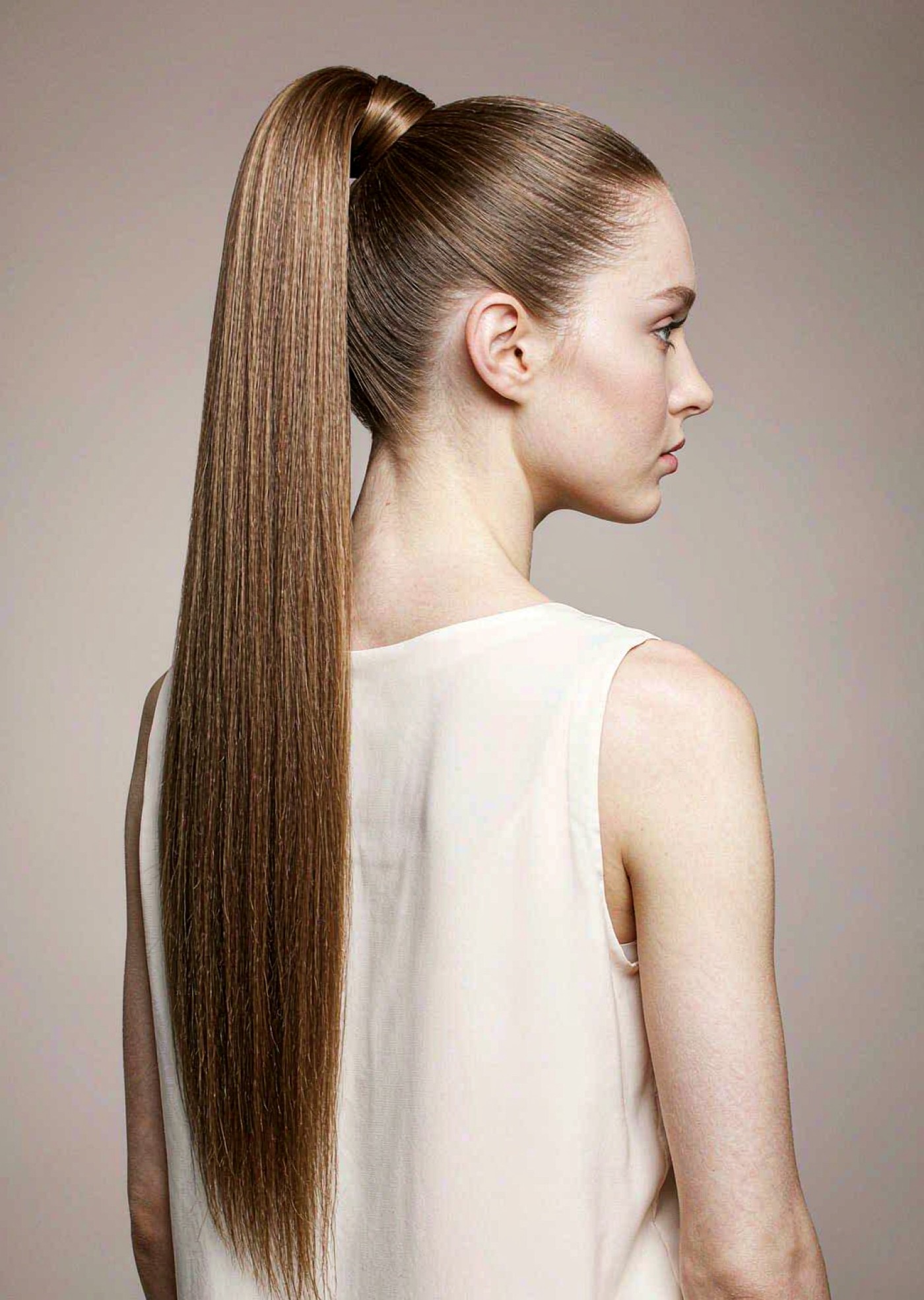
"150% density" sounds technical, but it simply describes how much hair is ventilated onto the cap. Get it right and the wig looks like real hair; get it wrong and it looks either thin or like a helmet.
What the percentages mean
- 130%: light and natural, closest to average bio hair density. Best for a subtle, realistic look and warmer climates.
- 150%: the most popular middle ground - full enough for styling without looking overdone. A safe default for most clients.
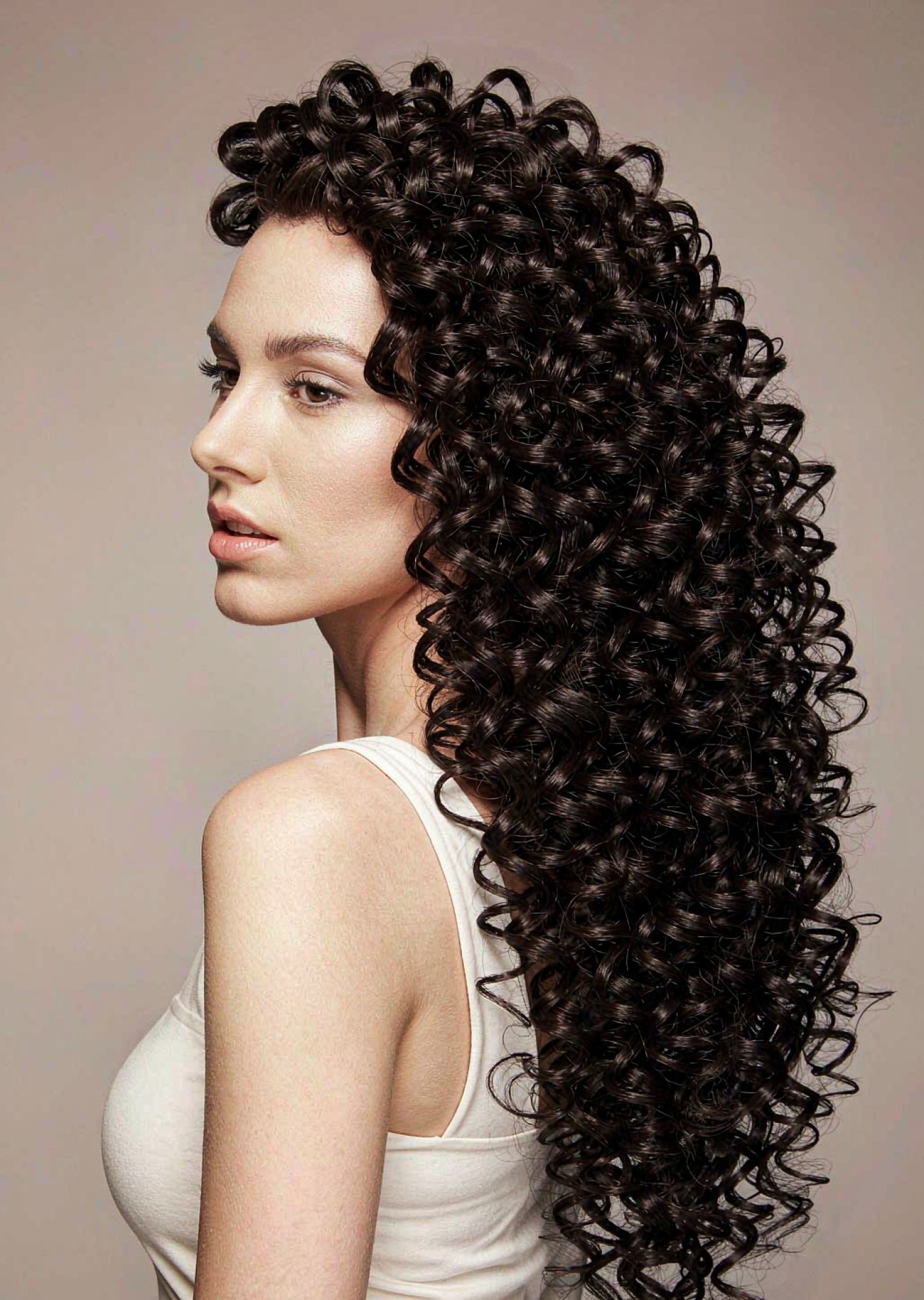
- 180%: noticeably full, for clients who want volume and body. Popular for curly textures, which look denser.
- 200%+: very full; dramatic and mostly used for specific looks or photos.
How to choose
Match density to the client's natural hair and the look she wants. For everyday realism, 130-150% usually wins. For a glamorous, full look, go higher. Our blending guide shares the same principle - more is not always more natural.
Texture changes perceived density
Curly and coily hair appears fuller than straight hair at the same percentage. If the client wants a curl pattern, a lower density may be enough - see the texture guide and the textured hair guide.
Density and the cap
Higher density adds weight, so cap construction and fit matter. A full lace cap distributes hair differently from a lace front, and a glueless cap relies on a secure fit. Match the cap size first, then choose density.
Fibre and longevity
Human hair holds style and lasts longer at any density - see human vs synthetic and wig lifespan. Keep it looking full with the wig washing routine.
Browse wigs in the wholesale catalogue and request samples to compare densities in person before you stock depth.