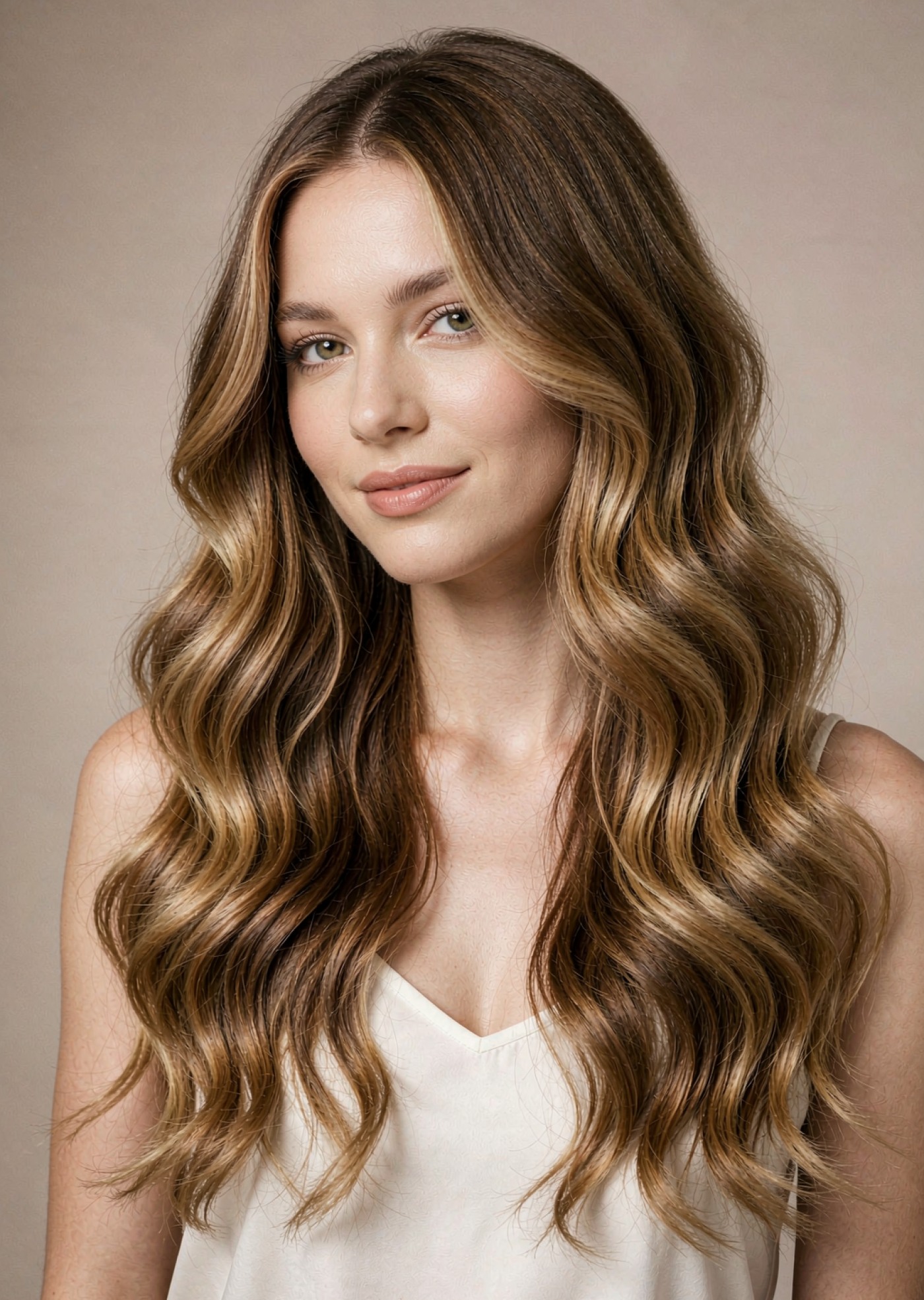
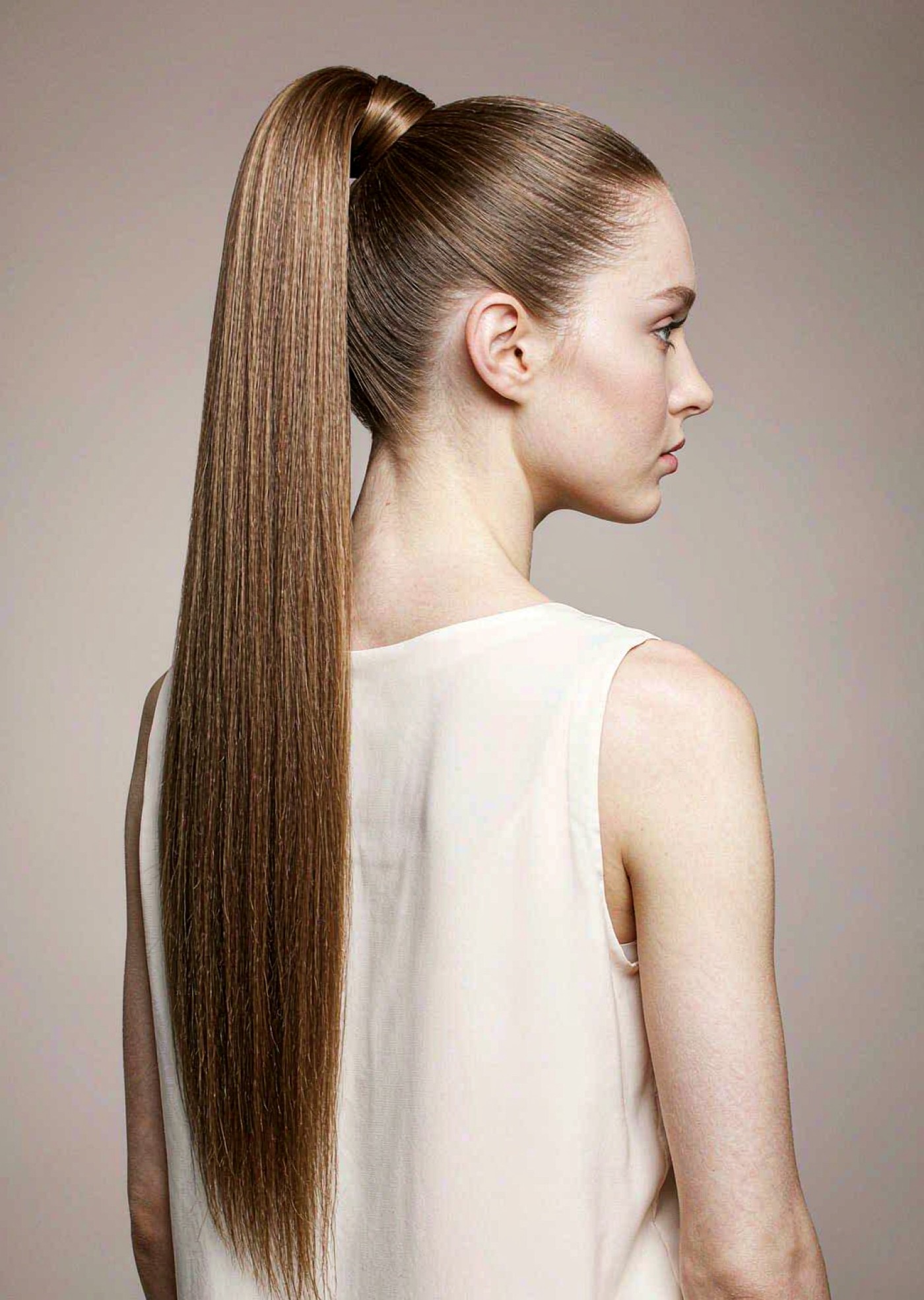
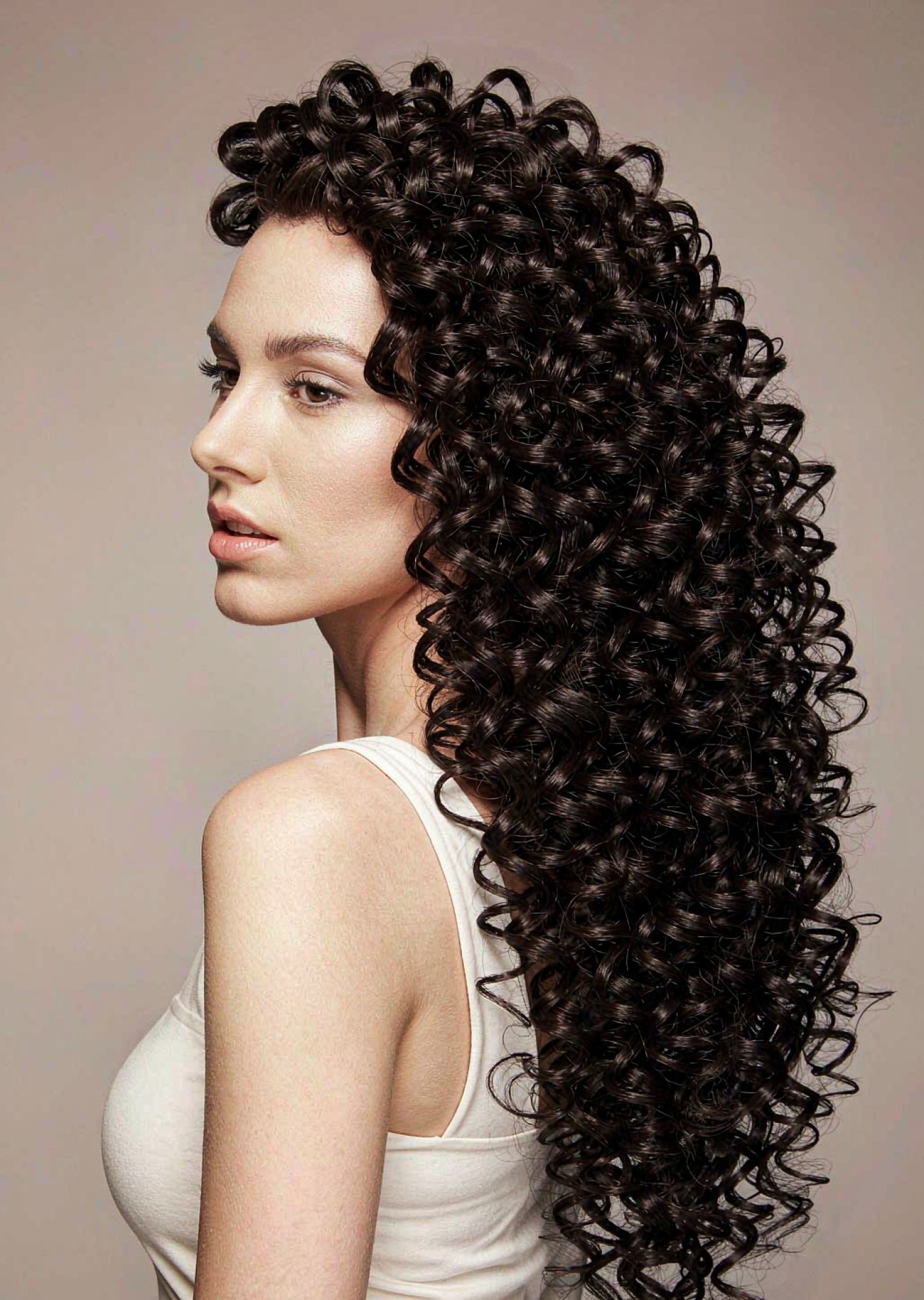
A wig can be perfect in every other way and still look wrong if the colour is off. The good news: a few simple rules make the choice much easier.
Start with skin undertone
Warm undertones usually suit warm browns, honey blondes and auburn; cool undertones suit ash blondes, cool browns and blacks. If you are unsure, ask in natural daylight. The same logic applies to extensions - see our shade chart guide.
Add dimension, avoid flat colour
Real hair is never one flat tone. Highlights, lowlights or a rooted shade read as natural; a single solid colour can look like a helmet. Our balayage guide explains how dimension works, and the blending guide covers the same principle.
Consider lighting and lifestyle
Colours shift under office lights, daylight and phone cameras. Check your top two choices in each. If you wear a wig daily, a shade close to your natural hair is easier to maintain than a dramatic change.
Fibre affects colour
Human hair can be gently toned and heat-styled; synthetic hair cannot be recoloured. Check our fibre comparison. Human hair also holds colour longer - see wig lifespan.
Density and hairline
Even the right shade can look off if the density or hairline is wrong. Match fullness with the density guide, lace with the lace guide and fit with the cap size guide.
For salons and resellers
Offer sample rings or swatches and document shade matches - it cuts returns and builds trust. The consultation checklist helps structure the conversation, and complaint guide shows how to resolve colour mismatches gracefully.
Browse shades in the catalogue and request a colour ring before you commit to a wig range.