Wholesale quotes, spec sheets and supplier emails are full of shorthand. This glossary explains the terms that actually change what you buy, grouped so you can use it as a reference when comparing offers. Each section links to a fuller guide.
Hair quality terms
- Remy hair
- Hair collected with the cuticles kept in the same root-to-tip direction, which reduces tangling.
- Cuticle aligned
- The same idea expressed as a process claim; verify it with a wash test. Why it prevents tangling.
- Virgin hair
- Hair that has not been chemically processed before collection. Often misused, so ask for a written definition.
- Double drawn
- Shorter hairs removed so most strands are close to the stated length, giving a full, blunt end. Double vs single drawn.
- Single drawn
- Mixed lengths in one bundle; cheaper, with a tapered end.
- Gram weight
- Net hair weight per pack. The number that should drive price comparisons, not "bundle" or "piece".
- Grade (6A–10A)
- Supplier marketing labels, not an independent standard. Hair grades explained.
- Raw hair
- Unprocessed hair in its natural texture and color, usually sold by donor lot.
Construction terms
- Tape-in
- Thin wefts pre-taped with adhesive, installed in sandwiches; reusable with replacement tape. Tape-in line.
- Clip-in
- Wefts with pressure clips for daily wear and removal. Clip-in line.
- Weft / track
- A curtain of hair sewn or bonded together at the top.
- Machine weft
- Machine-sewn, thicker and durable; can be cut into sections. Machine vs hand-tied weft.
- Hand-tied weft
- Thin, low-bulk weft tied by hand; usually installed with beads and should not be cut through the seam.
- Pre-bonded
- Strands with a keratin tip ready to attach: I-tip, U-tip, V-tip or flat tip.
- I-tip / U-tip / V-tip
- Tip shapes used with micro rings or heat fusion. Tip comparison.
- Micro ring / micro loop
- A small bead that clamps the extension to natural hair without heat or glue. Installation guide.
- Keratin bond
- The adhesive tip on fusion extensions; quality affects both hold and removal.
- Move-up
- The maintenance appointment where rings or tapes are repositioned as natural hair grows.
Color terms
- Level system
- A 1–10 darkness scale used loosely across factories; always confirm with a physical color ring and shade chart.
- 613
- A common light blonde used as a base for toning and custom color.
- Root shadow / root smudge
- A darker root blended into lighter lengths for a grown-out, low-maintenance look.
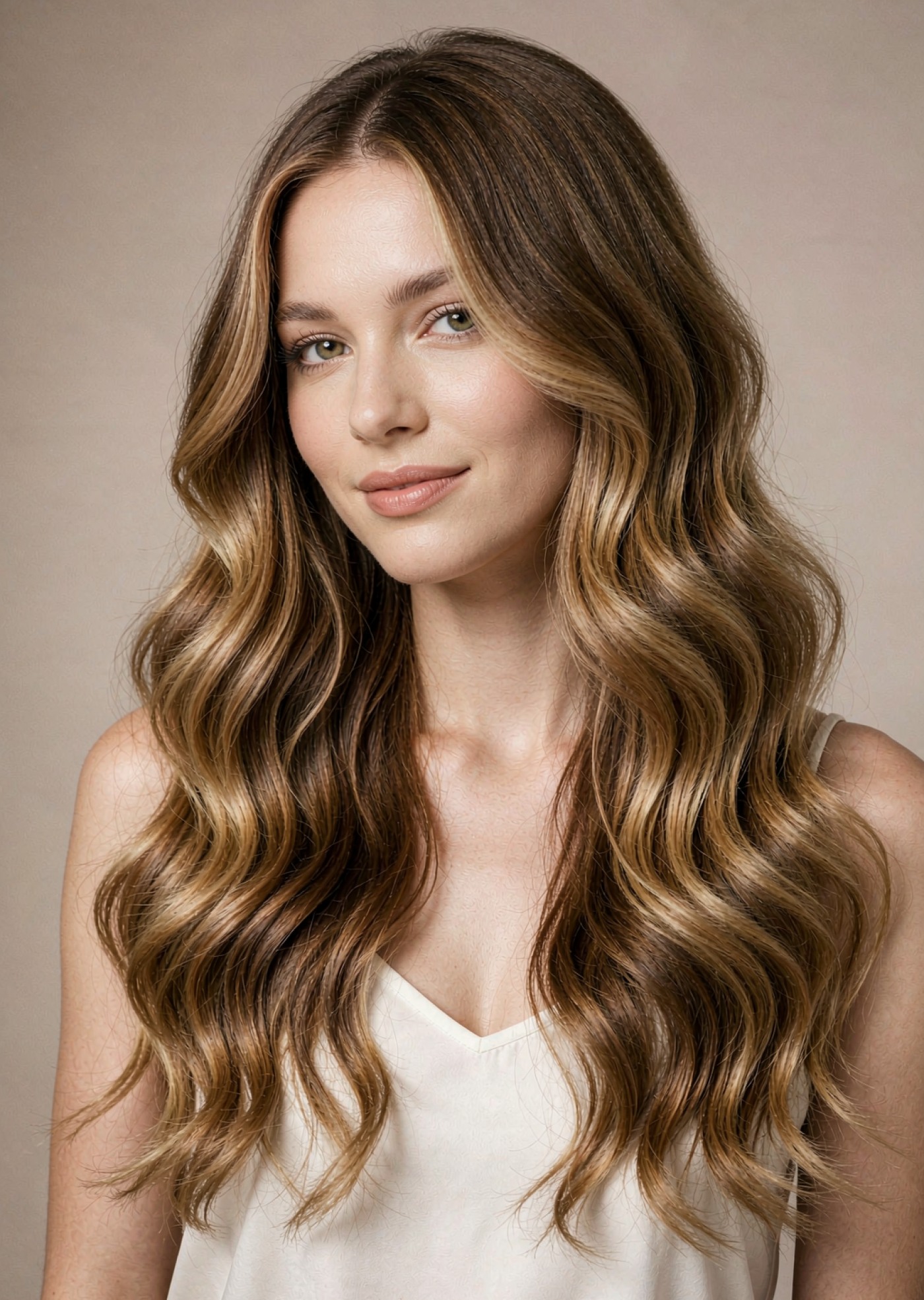
- Balayage
- Hand-placed, graduated lightness from mid-length to ends. Balayage bestsellers.
- Dye lot
- The production batch of color; matching it keeps reorders consistent.
- Ash / beige / honey
- Cool, neutral and warm undertone families respectively.
Order and logistics terms
- MOQ
- Minimum order quantity, often per length and shade. How MOQ affects your quote.
- OEM / ODM
- Making to your specification, or adapting the factory's existing design. Private label explained.
- Private label
- Your branding on packaging, hang tags and inserts. Packaging options.
- Proforma invoice
- The pre-payment document listing specs, quantities, price and terms.
- HS code
- Customs classification used to determine duty. Import paperwork.
- DDP
- Delivered duty paid: the supplier handles freight and import clearance. Freight options.
- Landed cost
- Factory price plus freight, duty and tax — the real cost per pack. Landed cost method.
- Lead time
- Production days after sample approval and deposit, excluding transit.
Aftercare terms
- Sulfate-free
- Mild cleansers that are less likely to strip processed hair or weaken bonds.
- Shedding
- Strands lost from the weft or bond; distinct from breakage along the shaft.
- Tangling
- Usually a cuticle-alignment or dryness issue rather than a color issue. Care routine.
- Heat protectant
- Product applied before styling tools; human hair extensions have no natural scalp oils to recover from heat damage.
Frequently asked questions
Is Remy the same as virgin hair?
No. Remy describes cuticle direction during collection; virgin describes a lack of prior chemical processing. A bundle can be one, both, or neither.
What does "100 g per pack" mean for a full head?
It depends on the client's own density and the method. Ask your supplier for a recommended pack count by length and desired volume.
Why do quotes list MOQ per shade?
Color processing is batched. Keeping MOQ per shade lets the factory run one dye lot efficiently.
Which term should I check first on a quote?
Gram weight per pack, then shade code, then construction. Those three drive both price and client outcome.
Not sure how a term applies to your order? Ask our team and we will annotate your quote line by line.