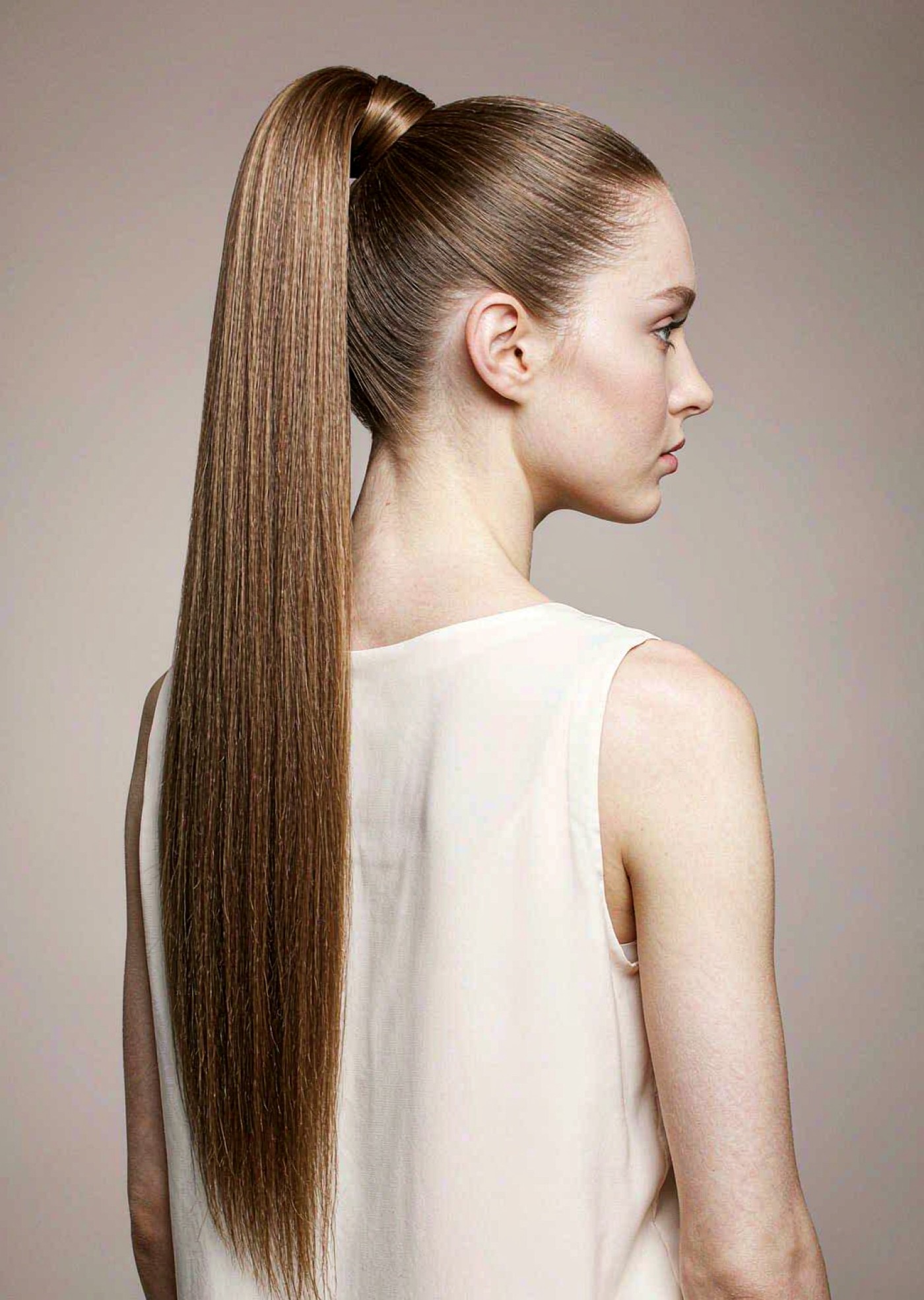
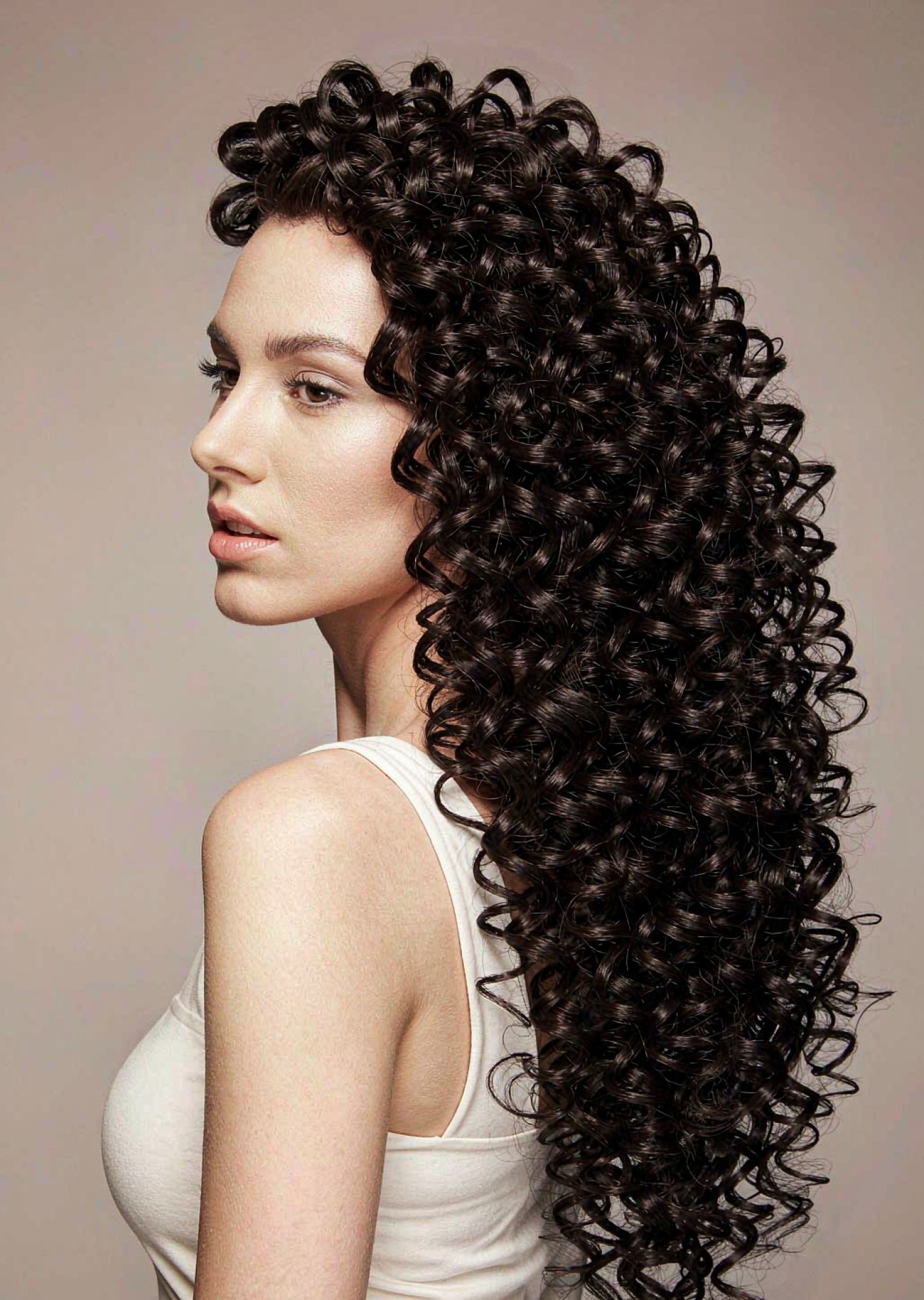
European salons, boutique owners and online retailers now order human hair extensions directly from factories more often than ever. Buying direct cuts one or two layers of markup, but it also means you are the importer. This guide walks through what changes when you sell in the EU — from the quality checks that matter most for European clients to labeling, customs and VAT.
Why European buyers order direct
European clients are among the most demanding when it comes to natural color, softness and reusability. A typical order cycle for a mid-size salon group is 100–300 sets per quarter, mixing tape-in, clip-in and pre-bonded lines. Ordering direct from a factory like ours means stable double-drawn quality, custom packaging and better margins — provided you know how to check the hair before you pay.
What to verify before the first order
- Weight honesty. Ask for double-drawn hair and check grams per pack, not just "100g bundles". Here is the weight test buyers should know.
- Cuticle alignment. Cuticle-aligned hair is what keeps European clients' hair from tangling after the third wash. Why cuticle alignment prevents tangling.
- Blonde availability. Not every factory can produce stable level 9–10 blonde. Request color rings and sample swatches first — see our blonde micro ring line.
- Samples. A 1-pack paid sample is cheaper than a returned pallet.

Labeling: what EU retail requires
If you resell in retail packaging, your labels should state fiber content ("100% human hair" or the blend), country of origin, the importer or responsible company, and care instructions in the local language. For private-label programs we print bilingual hang tags and insert cards at the factory, which is far cheaper than relabeling in Europe.
Customs, HS codes and VAT
Human hair extensions typically clear under HS 6703 / 6704 depending on the product form. You will need an EORI number, and the shipment value will determine duty. On arrival, import VAT is calculated on the customs value + freight + duty — that total is your real landed cost, not the factory invoice. Many first-time buyers under-budget by 10–20% here. For a fuller walkthrough see Importing Hair Extensions: Shipping, Payment Terms and HS Codes and How to Calculate Landed Cost.
A practical first order
A sensible EU starter order: 60% natural black and dark brown shades, 30% popular blondes and balayage, 20% fashion or length mixes — split between tape-in and clip-in, which cover both salon installs and retail take-home sales.
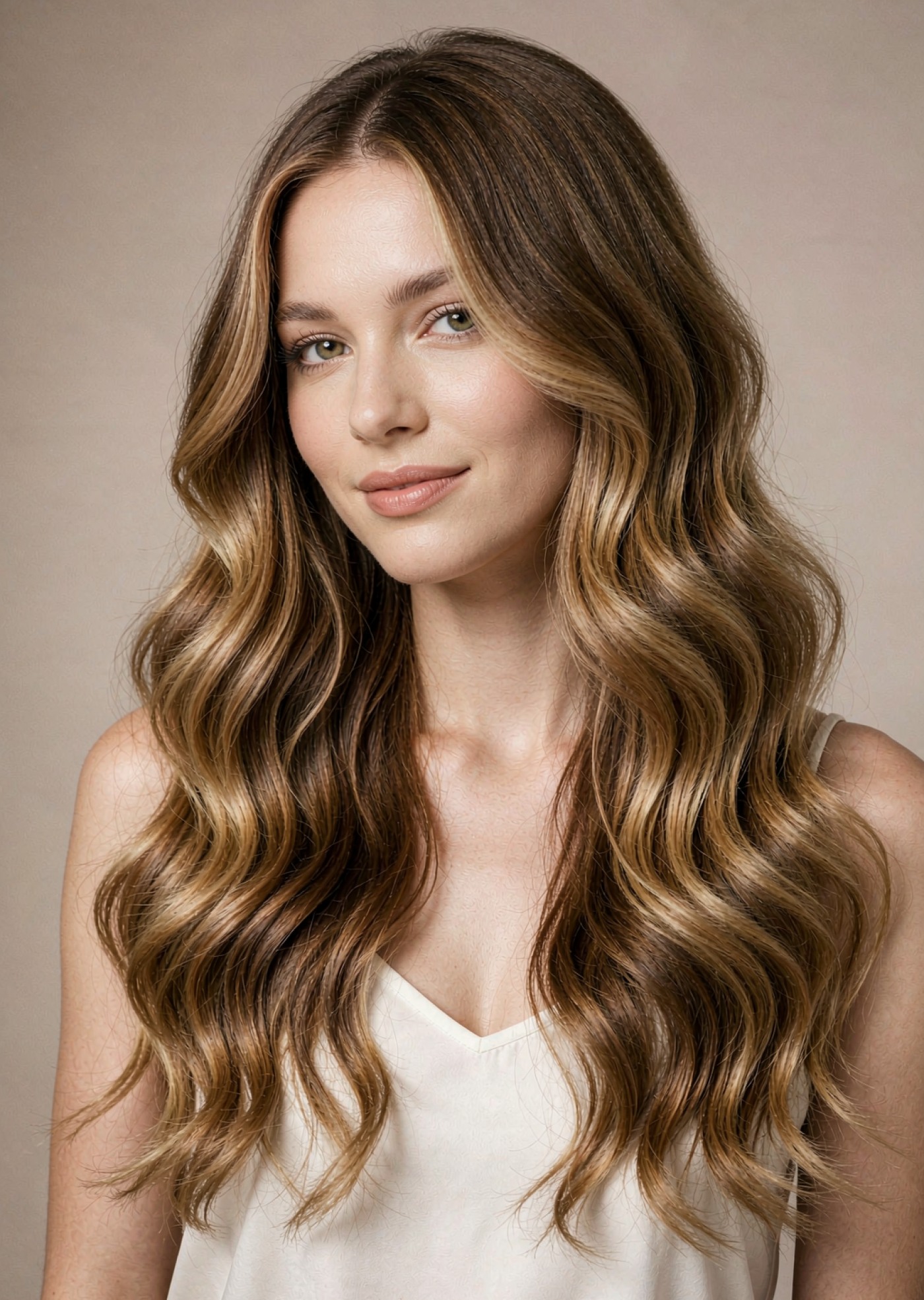
Ready to quote?
Send us your shade list and target quantities — we reply with a landed-cost-friendly quote including packaging options. Contact the factory for the EU buyer checklist in PDF.